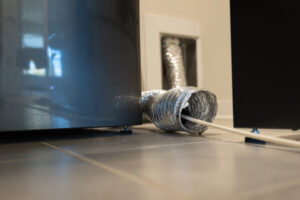
Dusty air vents are often dismissed as a housekeeping issue, but in many Southern California homes, they point to deeper HVAC problems. When dust builds up quickly around supply and return vents, it’s usually a sign that your system isn’t moving, filtering, or sealing air the way it should. Ignoring the issue can lead to higher energy bills, uneven comfort, and unnecessary wear on your HVAC system.
Why Dust Collects Around Air Vents So Quickly
Air vents are the final exit point for conditioned air. When airflow is restricted or unbalanced, dust and debris tend to settle around vent openings instead of staying trapped in the filter. This can happen when the system is working harder than necessary or pulling air from places it shouldn’t.
In Southern California, where homes often deal with dry outdoor air, construction dust, and seasonal allergens, these issues can become noticeable very quickly.
Common HVAC Issues Behind Dusty Vents
Dusty vents are rarely caused by just one problem. More often, they’re the result of multiple system issues working together.
Some of the most common causes include:
- Restricted airflow from clogged or overdue air filters
- Leaky ductwork pulling dust from attics, walls, or crawl spaces
- Improperly sealed return ducts drawing in unfiltered air
- An HVAC system that’s oversized or undersized for the home
- Blower components coated with dust and debris
When airflow is disrupted anywhere in the system, dust tends to accumulate at the vents as a visible symptom.
How Duct Leaks Contribute to the Problem
Leaky ducts are a major contributor to dusty vents. When ductwork has gaps or loose connections, the system can pull in dusty air from unconditioned spaces instead of clean, filtered indoor air. That dust is then redistributed throughout the home.
In many cases, homeowners clean vents repeatedly without realizing the source of the problem is hidden behind walls or above ceilings.
Why Dusty Vents Affect Comfort and Efficiency
Dust buildup isn’t just cosmetic. When airflow is restricted, rooms may feel stuffy, unevenly cooled, or slow to respond to thermostat changes. Your HVAC system compensates by running longer cycles, which increases energy usage and accelerates wear on critical components.
Over time, this strain can shorten system lifespan and lead to avoidable repair costs.
Why DIY Cleaning Doesn’t Fix the Root Cause
Wiping down vent covers may improve appearance, but it doesn’t address what’s happening inside the system. If airflow issues, duct leaks, or filtration problems remain unresolved, dust will continue to return.
True solutions involve evaluating airflow balance, duct integrity, and system performance as a whole—not just surface cleaning.
How Professional HVAC Evaluation Makes the Difference
At Econo West Heating Air & Plumbing, technicians look beyond the vents themselves. A professional inspection can identify airflow restrictions, duct leakage, filtration issues, or equipment problems contributing to dust buildup. Addressing these underlying issues improves comfort, efficiency, and indoor air quality throughout the home.
If your vents are constantly dusty or your home never feels evenly cooled, it’s time for a system-level evaluation.
When to Call for HVAC Service
You should consider professional HVAC service if you notice:
- Dust returning quickly after cleaning vents
- Uneven temperatures between rooms
- Rising energy bills with no usage changes
- Weak airflow from vents
- Increased allergy or respiratory irritation indoors
These signs often point to airflow or duct issues that won’t resolve on their own.
Restore Clean Air and Comfortable Airflow
Dusty vents are often the warning sign—not the problem itself. Identifying and fixing the underlying HVAC issues can improve comfort, lower energy costs, and protect your system from premature wear.
Call (661) 760-7411 today to schedule an HVAC inspection with Econo West Heating Air & Plumbing and get to the root of your dusty vent problems.