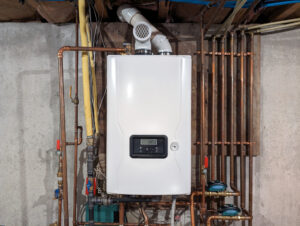
Hot water is one of those conveniences you don’t think about—until it runs out. Whether you’re stepping into a morning shower or running loads of laundry, your water heater quietly keeps daily life moving. But if your current unit is aging, inefficient, or struggling to keep up, it may be time to consider an upgrade.
Two of the most common options for Southern California homeowners are traditional tank-style water heaters and modern tankless (on-demand) units. Each has advantages depending on your home, budget, and hot water usage.
How Traditional Tank Water Heaters Work
A traditional water heater stores a large volume of water—typically 40 to 50 gallons—in an insulated tank. The burner or heating element warms the water and maintains a set temperature so it’s ready when you turn on a tap.
Advantages include:
- Lower upfront cost compared to tankless units
- Straightforward installation in most homes
- Familiar technology many homeowners already understand
However, tank systems have limitations:
- You can “run out” of hot water if demand exceeds tank capacity
- They continually heat water, even when you’re not using it
- Tanks can develop leaks or corrosion as they age
For households with moderate hot water use and lower upfront budgets, a traditional tank can still be a solid option—especially when upgrading from an older, less efficient model.
How Tankless Water Heaters Work
Tankless water heaters, also called on-demand systems, don’t store large amounts of hot water. Instead, they heat water as it flows through the unit whenever you turn on a fixture.
Benefits include:
- Endless hot water within the unit’s flow rate capacity
- Higher energy efficiency, since water is only heated when needed
- Longer service life compared to many tank-style units
- Space-saving design—great for smaller homes or tight utility areas
However, tankless systems do have considerations:
- Higher upfront installation cost
- Proper sizing is critical for whole-house use
- May require upgrades to gas or electrical supply in some homes
For larger families or homes with multiple bathrooms in use at once, a properly sized tankless system can offer excellent performance and convenience.
Which Option Fits Southern California Homes Best?
Climate and lifestyle both play a role. In Southern California:
- Mild incoming water temperatures make tankless systems more efficient than in colder regions.
- Many homes have limited utility closet or garage space, where a compact tankless unit can be a big advantage.
- High energy costs make long-term efficiency an important factor in the decision.
That said, not every home is an ideal candidate for tankless from the start. Older homes may require gas line or venting upgrades, which can affect total project cost.
Key Questions to Ask Before You Decide
Before choosing between tank and tankless, consider:
- How many people live in your home?
- Do you often run showers, laundry, and dishwashers at the same time?
- What is your budget for upfront installation versus long-term savings?
- How much space do you have for equipment?
- How old is your current water heater, and what fuel source does it use?
A professional evaluation can help you understand your home’s hot water demand and which option offers the best balance of performance and value.
Get Expert Guidance on Your Next Water Heater
Choosing between a tank and tankless water heater isn’t just a technical decision—it’s about comfort, convenience, and long-term savings. A licensed technician can assess your home, usage patterns, and utility setup to recommend the right solution.
If your current water heater is nearing the end of its life or struggling to keep up, now is the ideal time to explore your options and upgrade before it fails unexpectedly.