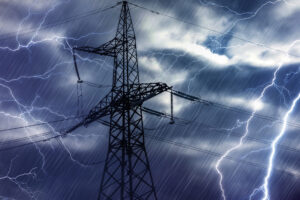
July in the Antelope Valley isn’t just about dry triple-digit heat. Late summer brings monsoonal moisture pushing in from the southeast, and with it comes an entirely different set of problems for your air conditioning system. Thunderstorms roll across the high desert with little warning, dropping heavy rain, kicking up debris, and knocking out power to entire neighborhoods. Your AC is running at full capacity when these storms hit, which makes it especially vulnerable. Understanding what monsoon season does to your equipment can help you avoid an expensive breakdown during the hottest stretch of the year.
Power Surges Are the Biggest Threat
When lightning strikes near a power line, or when utility power cuts out and snaps back on, the resulting voltage spike travels straight into your home’s electrical system. Your AC contains sensitive components that don’t tolerate that kind of jolt.
A surge can damage:
- The capacitor, which stores the electrical charge needed to start your compressor
- The contactor, a switch that controls power flow to the outdoor unit
- The control board, which manages system timing and communication
- The compressor itself, the single most expensive component in the system
Surge damage isn’t always immediate or obvious. Sometimes a component is weakened rather than destroyed, and it fails a few weeks later during a heat wave. If your power flickered during a storm and your system has been acting differently since, it’s worth having a technician from Econo West Heating Air & Plumbing take a look before the problem escalates.
Rain, Debris, and Your Outdoor Unit
The outdoor condenser is built to handle weather, but monsoon storms bring more than water. High winds strip leaves, dirt, and Joshua tree debris and pack it against the condenser fins. Once airflow through those fins is restricted, your system can’t release heat efficiently, and it works harder for less cooling.
After a storm passes, take a few minutes to walk outside and check for:
- Debris caught in or piled against the unit
- Standing water or mud around the base
- Bent fins from hail or flying objects
- Anything blocking the two-foot clearance around the equipment
Clearing debris by hand is something most homeowners can handle safely. Straightening fins or cleaning inside the unit should be left to a professional, since the coils and electrical components are easy to damage.
Humidity Changes How Your System Performs
Monsoon moisture raises humidity levels well above what Antelope Valley homes typically experience. Your AC has to remove that moisture from the air on top of lowering the temperature, which means longer run times and more water moving through the condensate drain. If the drain line is partially clogged, this is exactly when it backs up and triggers a shutoff or causes water damage near the indoor unit.
How to Protect Your System
A few practical steps go a long way during storm season:
- Install a whole-home surge protector at your electrical panel
- Turn your AC off at the thermostat during an active lightning storm
- After a power outage, wait several minutes before restarting the system
- Schedule a mid-season inspection to catch weakened components early
- Keep the area around the condenser clear year-round
Whole-home surge protection is one of the more cost-effective upgrades available. Compared to replacing a compressor in the middle of July, the investment is minor.
Get Ahead of Storm Season
Monsoon activity will continue through late summer, and your AC has months of hard work still ahead. If your system took a hit during a recent storm, or you simply want a professional set of eyes on it before the next one, reach out to Econo West Heating Air & Plumbing at (661) 760-7411 to schedule an inspection.