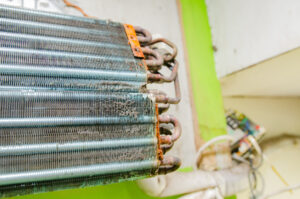
You probably don’t think much about the outdoor portion of your air conditioning system—until something goes wrong. But the unit outside your home plays a crucial role in keeping you comfortable inside, and one component in particular makes a huge difference in performance: the condenser coil.
When condenser coils are clean, they efficiently release heat from your home to the outside air. When they’re dirty, your system has to work much harder to do the same job. Over time, that extra effort shows up on your energy bills and can shorten the life of your equipment.
What Does the Condenser Coil Do?
Your AC system works by absorbing heat indoors and releasing it outdoors. The condenser coil, located in the outdoor unit, is responsible for getting rid of that heat.
Here’s how it works:
- Refrigerant carries heat from inside your home to the outdoor unit.
- The condenser coil allows that heat to dissipate into the outside air.
- A fan blows air across the coil to speed up the process.
When the coil is clean and unobstructed, heat transfer is smooth and efficient. When it’s covered in dirt, dust, or debris, that process slows down significantly.
How Coils Get Dirty in Southern California
Southern California’s climate can be tough on outdoor HVAC equipment. Dust, pollen, leaves, and pollution can all accumulate on condenser coils. Nearby landscaping, weeds, or even dryer vent exhaust can add to the buildup.
Over time, this debris forms a layer of insulation on the coil. Instead of allowing heat to escape, it traps it—forcing your air conditioner to run longer and work harder to achieve the same level of cooling.
Signs Your Condenser Coils May Be Dirty
You won’t always be able to see the buildup clearly from the outside, but your system may be sending you signals, such as:
- Higher-than-normal energy bills during cooling season
- Longer run times before your home reaches the set temperature
- Reduced cooling performance even though the AC is running
- The outdoor unit feeling very hot to the touch
- Frequent cycling on extremely warm days
These symptoms can have other causes as well, but dirty coils are one of the most common and easily overlooked factors.
Why Professional Coil Cleaning Matters
While it might be tempting to grab a hose and spray down your outdoor unit, improper cleaning can damage coils or force water where it doesn’t belong. Professional technicians know how to:
- Safely access the coil surfaces
- Use the right cleaners and tools for the job
- Avoid bending delicate fins or harming electrical components
- Combine coil cleaning with a broader system inspection
Clean coils mean your system runs more efficiently, cools more quickly, and experiences less stress overall.
The Long-Term Benefits of Clean Coils
Investing in regular condenser coil cleaning can pay off in several ways:
- Lower monthly energy bills
- Reduced wear and tear on compressors and fans
- Fewer breakdowns during peak heat
- Better comfort throughout your home
- A longer overall lifespan for your air conditioning system
Instead of waiting for visible dirt or major failures, coil cleaning is best handled as part of routine annual maintenance.
Keep Your Outdoor Unit Working at Its Best
If your cooling costs are rising or your system just doesn’t seem to keep up like it used to, dirty condenser coils could be part of the problem. A professional tune-up that includes coil inspection and cleaning can restore efficiency and comfort.
Scheduling this service before peak summer heat arrives gives your system the best chance to perform when you need it most.