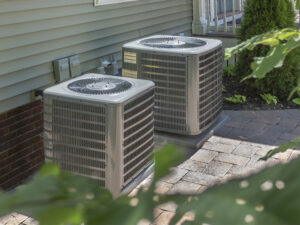
The compressor is often called the heart of your air conditioning system, and for good reason. It’s responsible for circulating refrigerant and enabling the entire cooling process. After months of relentless Antelope Valley heat, compressors take on a heavier workload than in almost any other climate — and by late summer, signs of strain often start to show.
Why Compressors Take the Brunt of Summer Heat
Unlike many components that cycle on and off briefly, the compressor works continuously whenever your AC is running. In the high desert, where triple-digit days can stretch on for weeks, that means your compressor may be operating for the vast majority of daylight hours throughout the summer. This extended, high-demand operation generates significant heat and mechanical stress, and by August, that cumulative strain can push an aging or already-stressed compressor toward failure.
Common Signs of Compressor Overwork
Recognizing early warning signs can help you avoid a complete system breakdown. Watch for:
- Unusual noises such as grinding, clicking, or loud humming coming from the outdoor unit
- Reduced cooling performance, even when the system runs continuously
- The AC shutting off unexpectedly or struggling to restart
- Warm air blowing from vents despite the system appearing to run normally
- A noticeable increase in energy bills without a clear explanation
- The outdoor unit feeling excessively hot to the touch
Any one of these signs on its own may not be cause for alarm, but multiple symptoms appearing together often indicate a compressor under significant stress.
What Causes Compressor Strain to Build
Several factors specific to Antelope Valley summers contribute to compressor overwork:
- Extended run times during weeks of sustained high temperatures
- Reduced airflow from dust and debris accumulation around outdoor units
- Low refrigerant levels, which force the compressor to work harder to maintain pressure
- Electrical fluctuations from monsoon storms or grid strain during peak demand periods
- Dirty condenser coils, which trap heat and reduce the compressor’s ability to release it efficiently
Why This Matters Now
A compressor that has been quietly struggling through the summer doesn’t always fail gradually. Often, it works fine until it doesn’t, leaving homeowners without cooling during some of the hottest days of the year. Because compressors are one of the most expensive components to repair or replace, catching signs of overwork early can mean the difference between a manageable service call and a costly system failure.
Steps to Protect Your Compressor
If you’re noticing any warning signs, taking action now can help extend your compressor’s life and avoid a breakdown:
- Schedule a professional inspection to check refrigerant levels, electrical connections, and overall compressor health
- Clear debris and vegetation from around your outdoor unit to improve airflow
- Clean or replace air filters to reduce strain on the entire system
- Avoid setting your thermostat unnecessarily low, which increases compressor run time
Don’t Wait for a Full Breakdown
A struggling compressor rarely fixes itself, and ignoring early signs often leads to bigger problems down the line. At Econo West Heating Air & Plumbing, we specialize in diagnosing compressor issues before they escalate into full system failures. If your AC has been showing any of these warning signs, call (661) 760-7411 today to schedule an inspection and protect your system for the rest of the season.