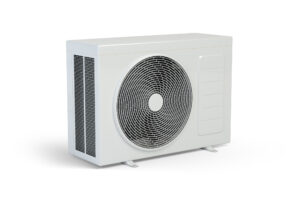
If your HVAC system seems to turn on, shut off, then restart again just minutes later, you’re likely dealing with short cycling. This issue is more than an annoyance—it’s a sign that something isn’t working correctly. Left unaddressed, short cycling can reduce comfort, increase energy costs, and shorten the lifespan of your HVAC system.
What Short Cycling Means for Your HVAC System
Short cycling occurs when your heating or cooling system shuts down before completing a full operating cycle. Instead of running long enough to properly cool or heat your home, the system repeatedly starts and stops.
These rapid cycles place unnecessary stress on components and prevent your system from operating efficiently.
Common Causes of HVAC Short Cycling
Short cycling can stem from several underlying issues, many of which aren’t obvious to homeowners.
Some of the most common causes include:
- An oversized HVAC system that cools or heats too quickly
- Dirty or clogged air filters restricting airflow
- Thermostat placement near heat sources or direct sunlight
- Low refrigerant levels caused by leaks
- Electrical or control board malfunctions
Each of these problems disrupts the system’s ability to regulate temperature properly.
Why Oversized Systems Are a Major Contributor
While it may seem logical to install a larger system for better performance, oversized HVAC units often short cycle. They reach the thermostat’s set temperature too quickly, triggering shutdown before humidity is removed or air is evenly distributed.
This leads to uneven temperatures, lingering humidity, and increased wear on components due to frequent starts.
How Short Cycling Affects Comfort and Efficiency
When your system short cycles, it never reaches peak operating efficiency. The startup phase consumes more energy than steady operation, so frequent cycling increases electricity usage without improving comfort.
You may notice:
- Hot and cold spots throughout the home
- Inconsistent indoor temperatures
- Rising energy bills
- Reduced humidity control
Over time, this inefficiency takes a toll on both comfort and your utility budget.
The Long-Term Damage of Ignoring Short Cycling
Short cycling significantly increases wear on critical components such as compressors, motors, and electrical relays. Compressors, in particular, are designed for long run times and can fail prematurely when forced to start repeatedly.
Ignoring short cycling often leads to costly repairs—or full system replacement—sooner than expected.
Why DIY Fixes Rarely Solve the Problem
Homeowners may try changing filters or adjusting thermostat settings, which can help in some cases. However, short cycling often points to deeper issues like improper system sizing, refrigerant problems, or internal electrical faults.
Without professional diagnosis, temporary fixes may mask symptoms while the underlying problem continues to damage the system.
How Econo West Heating Air & Plumbing Diagnoses Short Cycling
At Econo West Heating Air & Plumbing, resolving short cycling starts with a comprehensive system evaluation. Technicians assess airflow, thermostat placement, refrigerant levels, electrical components, and system sizing to pinpoint the root cause.
Once identified, the solution may involve adjustments, repairs, or recommendations that restore proper cycle length and efficiency.
When to Call for Professional HVAC Service
You should schedule service if you notice:
- The system turning on and off every few minutes
- Rising energy bills without increased usage
- Uneven comfort despite normal thermostat settings
- Unusual noises during startup or shutdown
These warning signs rarely resolve on their own.
Restore Proper Operation and Protect Your System
Short cycling is a clear signal that your HVAC system needs attention. Addressing the issue early improves comfort, lowers energy costs, and extends equipment life.
Call (661) 760-7411 today to schedule HVAC service with Econo West Heating Air & Plumbing and get your system running smoothly again.